

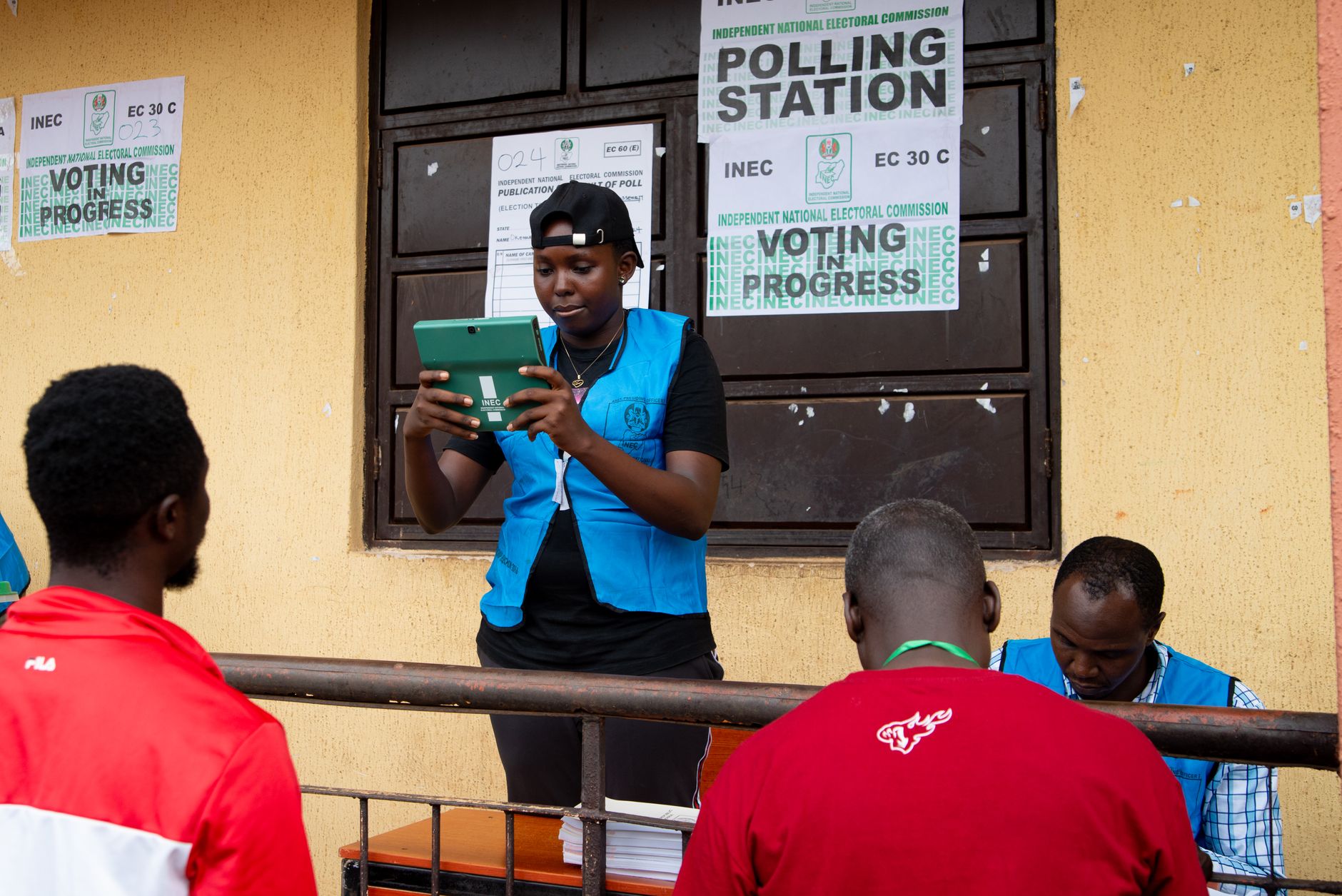
Election Commission opposition target reveals the intense scrutiny faced by the Election Commission as electoral battles against the ruling BJP intensify. This article explores the dynamics of these confrontations and their implications for democracy.
Overview of Election Commission’s Role
The Election Commission plays a crucial role in maintaining the integrity and fairness of the electoral process in India. As an autonomous constitutional authority, it is responsible for administering election processes at both the national and state levels. This includes overseeing the conduct of elections, ensuring compliance with electoral laws, and managing voter registration.
However, in recent electoral battles, particularly against the ruling BJP, the Election Commission has become a focal point of criticism. Opposition parties often target the Election Commission, questioning its impartiality and decision-making processes. This criticism has intensified as political stakes have risen, leading to accusations that the Commission favors the ruling party.
Opposition parties argue that the Election Commission’s actions, such as its timing of campaign regulations and its handling of election-related complaints, reflect bias. Such claims have raised concerns about the potential impact on public trust in the electoral system. In response, the Election Commission asserts its commitment to neutrality and insists that its decisions are guided solely by legal frameworks.
As the political landscape evolves, the Election Commission remains a significant player in shaping electoral outcomes. The ongoing scrutiny from opposition parties highlights the challenges faced by the Commission in fulfilling its mandate amidst a highly polarized political environment.
Challenges Faced by the Opposition
The opposition has faced numerous challenges in their efforts to criticize the Election Commission, particularly in the context of recent electoral battles against the ruling BJP. As the political landscape evolves, the Election Commission opposition target has become a focal point for various parties seeking to galvanize support and highlight perceived biases.
One significant challenge is the perception that the Election Commission acts in favor of the ruling party, which fuels allegations of partisanship. This perception complicates the opposition’s strategy, as they must navigate a landscape where accusations are often met with counter-accusations.
- Limited Public Trust: Many voters express skepticism about the neutrality of the Election Commission, impacting the opposition’s credibility.
- Strategic Missteps: The opposition’s attempts to rally public sentiment against the Commission can backfire, leading to a loss of focus on core issues.
- Lack of Unified Messaging: Differing opinions among opposition parties about the Commission’s role can dilute their effectiveness in delivering a cohesive message.
As the opposition continues to target the Election Commission, they must address these challenges head-on to maintain their relevance in the electoral process and effectively communicate their concerns to the electorate.
Impact on Upcoming Elections
The ongoing political landscape has seen the Election Commission emerge as a significant focal point for opposition tactics, particularly in the context of upcoming elections. As the opposition grapples with mounting challenges against the ruling BJP, their strategy has increasingly involved targeting the Election Commission, questioning its impartiality and effectiveness.
This shift in focus is likely to have profound implications for the electoral process. By undermining public confidence in the Election Commission, the opposition aims to sway voter perception, framing the commission as biased or ineffectual. Such narratives could lead to increased skepticism among voters regarding the fairness of the electoral process.
Moreover, the targeting of the Election Commission may create an environment of distrust that could marginalize legitimate electoral concerns. As accusations and counter-accusations abound, the fundamental goal of ensuring a free and fair election could be overshadowed by political rhetoric.
As the countdown to the elections continues, the implications of this tactical shift are clear. Voter engagement may hinge on the perceived integrity of the Election Commission, making it crucial for the commission to maintain transparency and uphold its mandate. The opposition’s strategy to target the Election Commission might resonate with some voters, but it also risks alienating others who value democratic institutions.
Public Perception of the Election Commission
The public perception of the Election Commission has significantly shifted in recent years, particularly as it has become a focal point of criticism from various opposition parties. As the political landscape evolves, the Election Commission opposition target has emerged as a common narrative among critics who question its neutrality and effectiveness.
Many voters are beginning to wonder about the integrity of the Election Commission, especially during contentious electoral periods. Some key factors contributing to this shift include:
- Allegations of Bias: Opposition parties frequently accuse the Commission of favoring the ruling party, which exacerbates doubts among the electorate.
- Delay in Decision-Making: Perceived delays in resolving complaints regarding electoral malpractices have led to frustration among voters.
- Transparency Issues: Concerns about the transparency of the Commission’s operations have raised questions about its accountability.
As the Election Commission continues to face scrutiny, public confidence in its ability to conduct fair elections is being tested. This situation poses a significant challenge not only for the Commission itself but also for the democratic process as a whole. The ongoing debate surrounding the Election Commission’s role and its perceived alignment with political interests remains a crucial point of discussion as electoral battles intensify.
Historical Context of Electoral Conflicts
The relationship between political parties and the Election Commission has been fraught with tension historically, particularly during times of electoral conflict. As the authority responsible for overseeing fair elections, the Commission often finds itself at the center of disputes, especially when the stakes are high. The opposition has frequently targeted the Election Commission, accusing it of bias and mismanagement, particularly in the face of what they perceive as authoritarian tactics from the ruling party.
In past elections, various opposition parties have alleged that the Election Commission has favored the ruling party, raising questions about its impartiality. These accusations can often be traced back to specific incidents where electoral guidelines were either perceived to be overlooked or inconsistently applied. The historical context of these conflicts illustrates a pattern where the Election Commission becomes a focal point for opposition grievances.
Key incidents that have fueled these tensions include:
- The controversial handling of election schedules.
- Decisions regarding campaign financing and media access.
- Responses to complaints about electoral malpractices.
As the upcoming elections approach, the Election Commission remains a crucial entity, but it is also the main target of opposition tactics, as parties seek to rally public sentiment against perceived injustices in the electoral process.
The Election Commission opposition target has become a focal point for various political strategies aimed at undermining its credibility. As tensions rise, the role of the Election Commission in safeguarding democratic processes faces unprecedented scrutiny.
Photo by David Iloba on Pexels
Read the original
Asian Games Women’s Hockey: Proven Strategies for Success · Polymarket Lobbying Campaign: Proven Strategy to Influence Regulators · Fantasy football market share: Proven insights for success