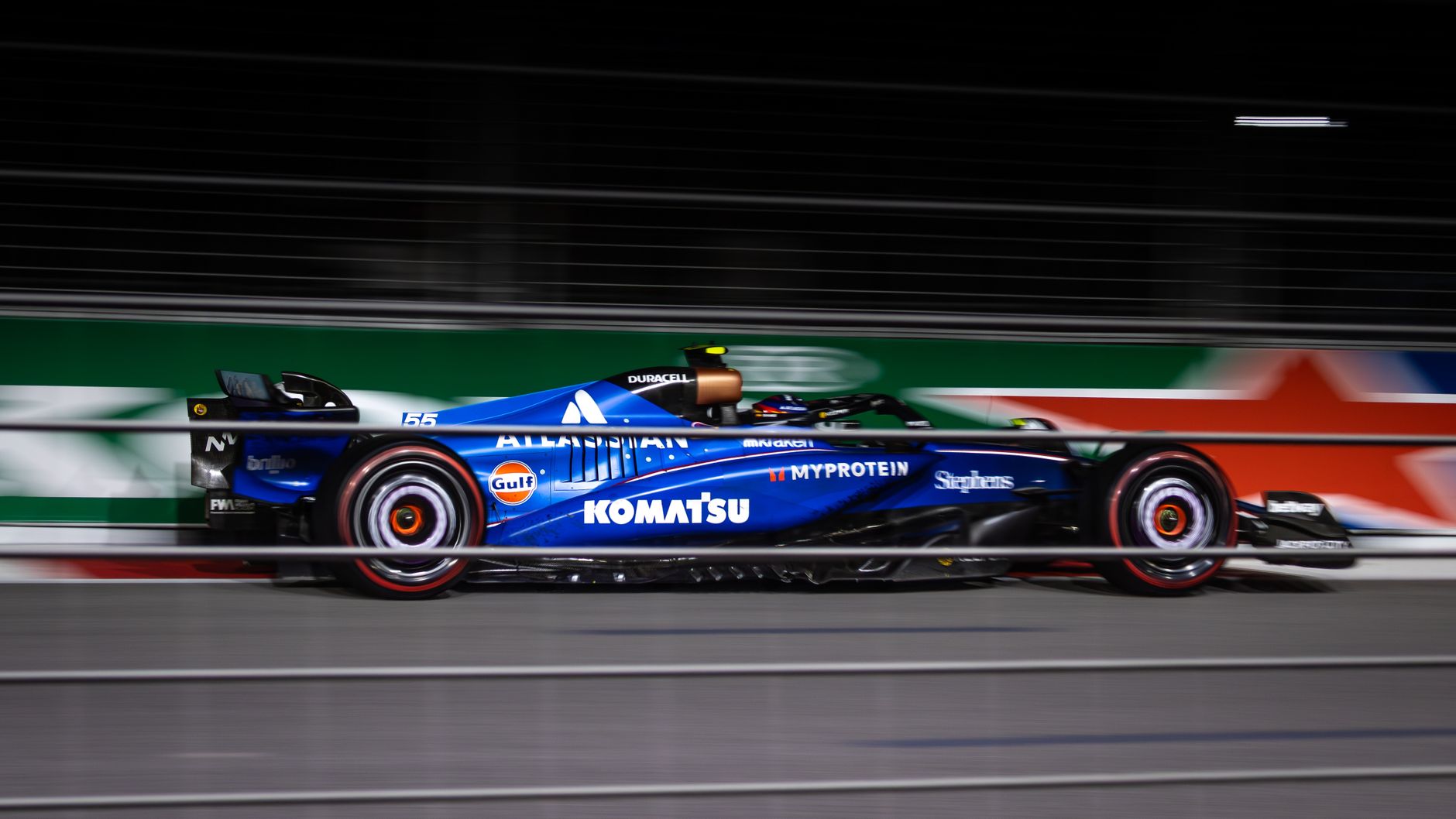
F1 returns to Africa for the first time since 1993, with Rwanda set to host the prestigious event. This exciting development promises to rejuvenate motorsport interest across the continent.
History of F1 in Africa
The return of F1 to Africa marks a significant moment in the history of motorsport on the continent. The last time Formula 1 graced African soil was in 1993, during the South African Grand Prix held at Kyalami. This event was a pivotal moment in the sport, attracting global attention and showcasing the region’s growing passion for racing.
Throughout the years, various African nations have expressed interest in hosting F1 races, but logistical and financial challenges often hindered these efforts. The previous absence of the sport has left a void for fans eager to witness high-speed action in their own backyard.
With Rwanda stepping up to bring F1 back to Africa, excitement is palpable among motorsport enthusiasts. This resurgence not only highlights the enduring popularity of Formula 1 but also signifies a new era for the sport on the continent. The upcoming race promises to be a celebration of speed, culture, and community, uniting fans across Africa.
Impact of F1 on Rwanda
The return of F1 to Africa marks a significant moment for the continent, particularly for Rwanda, which is set to reap numerous benefits from hosting such a prestigious event. As the first African nation to welcome Formula One since 1993, Rwanda is expected to experience a surge in tourism and international attention.
The economic impact could be profound, with local businesses, hotels, and restaurants likely to see increased patronage from both fans and teams. Furthermore, the event is anticipated to create job opportunities, boosting the local economy and promoting sustainable development.
In addition to economic gains, F1’s return to Africa serves to inspire a new generation of motorsport enthusiasts. Young Rwandans may find motivation to engage in motorsport and related fields, potentially leading to the emergence of homegrown talent in the racing world.
This landmark event not only celebrates the return of F1 to Africa but also highlights Rwanda’s commitment to becoming a global destination for sports and entertainment.
What to Expect from the Event
The return of F1 to Africa is generating excitement among motorsport enthusiasts, as the event promises a unique blend of speed, culture, and entertainment. Fans can expect a thrilling race that showcases not only the incredible skills of the drivers but also the beautiful landscapes of Rwanda.
Key highlights of the event include:
- World-Class Drivers: Fans will have the opportunity to witness top drivers from around the globe compete on a historic track.
- Local Culture: The event will feature elements of Rwandan culture, including traditional music, cuisine, and art, making it a true celebration of the host nation.
- Fan Engagement: Interactive experiences and activities are planned to engage fans both at the event and through digital platforms.
- Sustainability Initiatives: Organizers are committed to promoting sustainability, with efforts to minimize the environmental impact of the race.
With F1 returning to Africa, the event is set to be a landmark occasion, rekindling the region’s passion for motorsport.
Economic Benefits of Hosting F1
The return of F1 to Africa is anticipated to bring significant economic benefits to the host country, Rwanda. This prestigious motorsport event will not only attract international attention but also stimulate local economies through various avenues.
- Tourism Boost: The influx of F1 fans, teams, and media will lead to increased tourism, benefiting hotels, restaurants, and local attractions.
- Job Creation: Hosting F1 will create numerous jobs, from event management to hospitality services, providing a boost to the local workforce.
- Investment Opportunities: The event is likely to attract investment in infrastructure, including roads and facilities, which can have long-lasting benefits for the region.
- Global Exposure: Rwanda will gain exposure on the world stage, showcasing its culture and capabilities, which may lead to future business opportunities.
Overall, F1’s return to Africa is more than just a race; it is a potential catalyst for economic growth and development in the region.
Fan Reactions to F1 Return
Fans are thrilled about the announcement that F1 returns to Africa, marking a significant moment in motorsport history. Social media platforms have been buzzing with excitement as enthusiasts share their thoughts and anticipation for the upcoming event.
- Increased Interest: Many fans express that this return will reignite interest in motorsport across the continent, inspiring a new generation of drivers.
- Homegrown Talent: There is hope that local talent will emerge, with many aspiring racers eager to follow in the footsteps of legends.
- Community Celebrations: Local communities are planning celebrations, including viewing parties and events to mark the occasion, further showcasing the cultural significance of F1.
- Global Recognition: Fans are also excited about the global spotlight on Africa, with many believing it will enhance the continent’s image in the international sports arena.
As the countdown begins, the energy among fans continues to grow, uniting motorsport enthusiasts in their passion for the sport and the historic return of F1 to Africa.
Logistics and Preparations for F1
The logistics and preparations for the much-anticipated return of F1 to Africa are well underway, with Rwanda taking the lead in organizing this significant event.
Officials have emphasized the importance of ensuring that every aspect of the race is meticulously planned, from track safety to accommodation for teams and fans. Key preparations include:
- Infrastructure Development: Upgrades to roads, transportation networks, and hospitality facilities are being prioritized to accommodate the influx of visitors.
- Safety Measures: Enhanced security protocols will be implemented, ensuring the safety of participants and spectators alike.
- Local Engagement: Collaboration with local businesses and communities is essential to maximize the benefits of F1’s return to Africa.
Moreover, the excitement surrounding this historic event has prompted increased interest from sponsors and media outlets, further highlighting the significance of F1’s return to Africa. As the countdown to the race begins, all eyes are on Rwanda, eagerly anticipating a spectacular showcase of motorsport.
Future of F1 in Africa
The return of F1 to Africa marks a significant milestone for the sport and its fans. As motorsport enthusiasts eagerly anticipate the event, the future of F1 in Africa looks promising. Key stakeholders are optimistic that this revival will not only rejuvenate interest in racing but also pave the way for more events across the continent.
Plans are already underway to establish a more permanent presence for F1 in Africa, with discussions about potential circuits in various countries. The enthusiasm generated by this event could lead to a series of races being held in Africa, making it a staple in the F1 calendar.
Moreover, the involvement of local governments and private investors signals a commitment to sustaining the momentum generated by F1’s return. If successful, this could lead to enhanced infrastructure and tourism opportunities, benefiting not just motorsport but also local economies.
In conclusion, the future of F1 in Africa is bright, and as the sport returns, it offers a clear win for fans and the continent as a whole.
F1 returns to Africa, bringing excitement and a sense of nostalgia to fans who have long awaited this moment. The return of F1 returns to Africa not only revitalizes the motorsport scene but also strengthens the bond between the sport and its passionate supporters on the continent.
Photo by Eterna Media on Pexels