

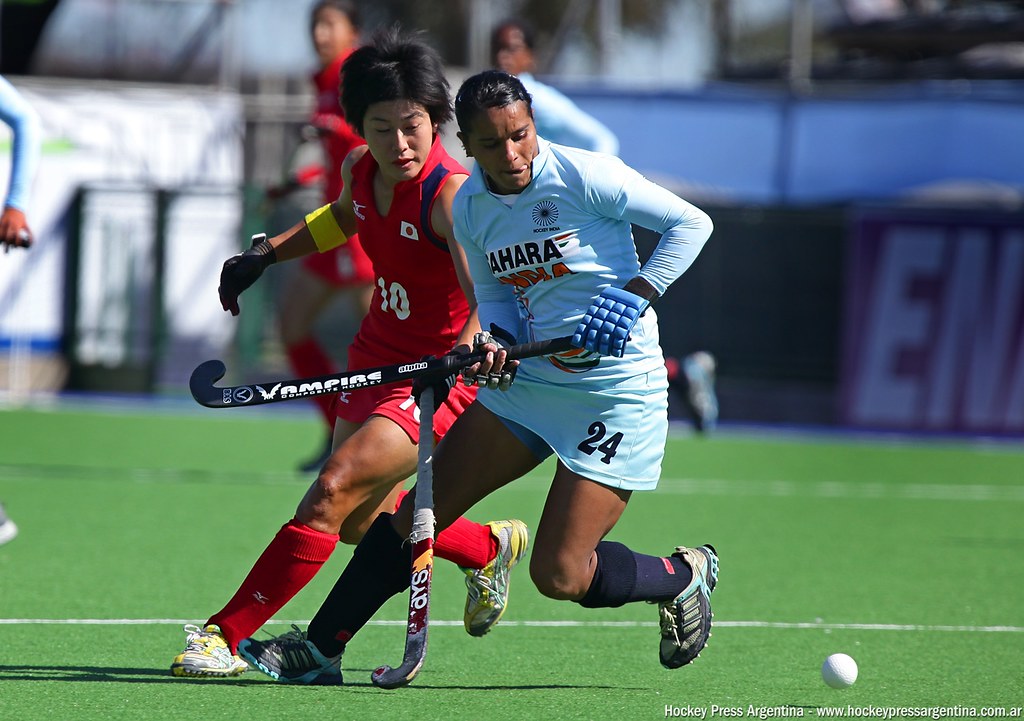
India vs China hockey showcased an exhilarating final where the Indian team clinched gold after 44 long years, defeating China 1-0.
Match Overview
The highly anticipated match between India and China in the women’s hockey final at the Asian Games 2026 culminated in a historic victory for the Indian team. After a gripping contest, India triumphed with a narrow score of 1-0, claiming the gold medal for the first time in 44 years. This win not only signifies a significant achievement in Indian sports but also showcases the team’s resilience and skill on the international stage.
Throughout the match, the Indian squad demonstrated exceptional teamwork and strategy, effectively countering China’s aggressive play. Key players made crucial contributions, with standout performances that kept the momentum in India’s favor. The lone goal, scored in the second half, ignited a wave of celebration among fans and players alike.
As the final whistle blew, the significance of this victory resonated deeply, marking a new chapter in the history of India vs China hockey. The gold medal win is expected to inspire a new generation of athletes in India, furthering the country’s commitment to excellence in sports.
Key Moments of the Final
The final match between India and China in women’s hockey was filled with intense moments that kept fans on the edge of their seats. Here are some key highlights:
- First Half Dominance: India started strong, showcasing exceptional teamwork and strategy. Early in the match, they made several attempts to penetrate the Chinese defense.
- Crucial Goal: The breakthrough came in the 28th minute when India vs China hockey saw a brilliant goal scored by the star forward, putting India ahead.
- Defensive Resilience: After taking the lead, the Indian defense tightened its grip, thwarting multiple attacks from the Chinese team, who were desperate to equalize.
- Final Minutes Tension: With mere minutes remaining, the atmosphere was electric as China pushed hard for a last-minute goal, but India’s goalkeeper stood tall, making critical saves.
- Celebration: The final whistle marked a historic moment for India, celebrating their first gold medal in women’s hockey at the Asian Games in 44 years.
Player Performances
In a thrilling final, the performances of key players were instrumental in securing India vs China hockey’s gold medal after 44 years. The Indian team’s defense was anchored by Goalkeeper Rani Rampal, whose exceptional saves kept the Chinese team at bay throughout the match.
Midfielder Pooja Yadav demonstrated her skill with precise passes and strategic plays, consistently pushing the ball toward the attacking line. Her determination was evident as she executed several counterattacks that put pressure on the Chinese defense.
Forward Vandana Katariya was crucial in maintaining the momentum, showcasing her speed and agility on the field. Her ability to maneuver through defenders created several scoring opportunities for India.
Additionally, the teamwork displayed by all players was commendable, as they communicated effectively and supported one another during critical moments. The synergy among the players not only led to a historic victory but also set a new standard for future matches in the Asia Games.
Historical Context of the Win
The historic victory for the Indian women’s hockey team against China marks a significant milestone in the realm of Asian sports. After a long 44 years, India has reclaimed the gold medal in a thrilling showdown, echoing the nation’s rich hockey legacy. This win not only highlights the team’s dedication but also signifies a return to prominence in a sport that once saw India as a dominant force.
In the years leading up to this final, India faced various challenges, including fierce competition and evolving international teams. The previous gold medal win dates back to the 1982 Asian Games, a gap that many fans had hoped would close. The journey to this championship has been filled with rigorous training and unwavering support from the hockey community.
Furthermore, the rivalry between India and China in hockey has been intense, making this victory even sweeter. As the Indian team celebrates this triumph, it serves as a reminder of their potential and the bright future ahead for India vs China hockey in upcoming tournaments.
Reactions from Coaches
Following the thrilling final between India and China in the women’s hockey event at the Asian Games 2026, coaches from both teams shared their insights on the match’s outcome.
Indian coach, Ramesh Kumar, expressed pride in his team’s performance, emphasizing the dedication and hard work that led to this historic gold win after 44 years. “The girls showed incredible resilience and teamwork. This victory against China is not just a win; it’s a testament to our growth in hockey,” he stated.
On the other hand, Chinese coach, Li Wei, acknowledged the fierce competition. “India played exceptionally well today. Our team fought hard, but we need to learn from this experience and come back stronger,” he remarked, praising the skill and strategy demonstrated by the Indian squad.
Both coaches highlighted the significance of this match, not only for their respective teams but for the future of women’s hockey in Asia. As the dust settles, the outcome of India vs China hockey will inspire many young athletes across the region.
Future of Indian Women’s Hockey
The recent victory of the Indian women’s hockey team over China not only marks a significant milestone for the team but also ignites hope for the future of Indian women’s hockey. With the gold win after 44 years in the Asia Games, the momentum generated is likely to inspire a new generation of players.
As the team celebrates this historic achievement, several factors could shape the future of the sport in India:
- Increased Investment: A gold medal win is expected to attract more sponsorships and funding, which can lead to better training facilities and resources.
- Youth Development Programs: The success of the current team may encourage more schools and clubs to establish women’s hockey programs, fostering talent from a young age.
- Global Exposure: With more opportunities to compete internationally, players will gain valuable experience that can elevate their game.
- Media Coverage: Enhanced visibility through media can inspire young girls to take up hockey, creating a larger talent pool for future teams.
The future of Indian women’s hockey looks promising, and the recent India vs China hockey match serves as a pivotal point for growth and recognition.
Final Thoughts on the Tournament
The recent victory of the Indian women’s hockey team against China marks a monumental moment in sports history, with India vs China hockey showcasing the growth and potential of the team on an international platform. This gold win, occurring after a 44-year wait, is not just a testament to the skill and dedication of the players but also a reflection of the evolving landscape of women’s sports in India.
As the tournament concludes, several key themes emerge. Firstly, the importance of teamwork and strategy played a crucial role throughout the competition. The players demonstrated remarkable resilience, overcoming challenges to reach the final. Secondly, the enthusiastic support from fans and the media has reinvigorated interest in women’s hockey, highlighting the need for continued investment in the sport.
Looking ahead, the future of Indian women’s hockey seems promising. With this victory, the team has set a benchmark for aspiring athletes, inspiring a new generation to take up the sport. The journey from a long wait for gold to a triumphant win is a story of hope and determination for many.
The thrilling match showcased the fierce rivalry in India vs China hockey, capturing the attention of fans worldwide. With this gold win after 44 years, the historic significance of India vs China hockey has never been more profound.
By Luis Oviedo Ortiz via Openverse
References
Nitesh Siwach Asian Games: Is This the Best Silver Win Ever? · Men’s hockey final: India’s thrilling win over Pakistan · Asian Games 2026 updates: What are the best moments so far?