training culture under Dhoni has come under scrutiny as critics highlight the lack of discipline and structure within CSK. This has raised concerns about the team’s future prospects.
The Importance of Training Culture in Sports
The significance of a strong training culture in sports cannot be overstated. A robust training environment fosters teamwork, enhances skills, and builds resilience among players. Under the leadership of MS Dhoni, however, the training culture at Chennai Super Kings (CSK) has faced scrutiny.
Critics argue that the focus on winning overshadowed the need for a systematic approach to training. Some of the key issues identified include:
- Lack of Structured Training Sessions: Many players felt that practice sessions were not as rigorous or well-planned.
- Insufficient Feedback: The absence of constructive feedback limited players’ growth and improvement.
- Focus on Experience Over Skill: There was an inclination to favor experienced players, often neglecting emerging talent.
These factors highlight the need for a revitalized training culture under Dhoni to ensure the team’s long-term success.
How Dhoni Influenced CSK’s Training Regimen
Mahendra Singh Dhoni’s leadership has significantly influenced the training culture under Dhoni at the Chennai Super Kings (CSK). However, this influence has not been without its challenges. Players often reported a lack of rigorous training sessions, which raised concerns among staff and fans alike.
Several key factors contributed to this phenomenon:
- Relaxed Atmosphere: Dhoni’s calm demeanor created a comfortable environment, sometimes at the expense of discipline.
- Focus on Experience: Emphasis was placed on veteran players, potentially sidelining younger talent in training routines.
- Winning Mentality: A culture of reliance on past successes may have led to complacency in training practices.
As a result, while there were moments of brilliance, the overall training culture under Dhoni raised questions about long-term development and adaptability for the franchise.
Training culture under Dhoni: What Went Wrong?
Despite Mahendra Singh Dhoni’s legendary status, the training culture under Dhoni at Chennai Super Kings (CSK) faced significant criticism. Several issues have been identified that hindered the team’s performance.
- Resistance to Change: Many players were hesitant to adapt to new training methods, resulting in a stagnant approach.
- Lack of Individual Focus: The emphasis on team dynamics sometimes overshadowed the need for personalized training, hindering player development.
- Over-reliance on Experience: Dhoni often favored seasoned players, which limited opportunities for younger talent to grow through rigorous training.
- Inconsistent Training Regimen: The absence of a structured and consistent training culture under Dhoni led to varying levels of preparedness among players.
These factors contributed to challenges that CSK faced, raising questions about the effectiveness of the training culture under Dhoni.
Comparing CSK’s Training Approach to Other Teams
In examining the training culture under Dhoni, it becomes evident that CSK’s approach diverged significantly from other teams in the IPL. While franchises like Mumbai Indians and Kolkata Knight Riders emphasize rigorous fitness regimes and innovative training techniques, CSK’s methods appeared more relaxed.
Other teams engage in:
- Regular fitness assessments: Ensuring players maintain peak physical condition.
- Varied training modules: Incorporating modern techniques such as yoga and mental conditioning.
- Data analytics: Using performance metrics to tailor training sessions.
In contrast, CSK’s training culture under Dhoni often relied on traditional practices, which some critics argue led to stagnation. This difference in approach highlights the potential pitfalls of maintaining a less dynamic training environment, ultimately impacting team performance.
The Impact of Leadership on Team Performance
The impact of leadership on team performance is undeniable, particularly in high-stakes sports environments. Under Dhoni’s captaincy, while there were moments of brilliance, the training culture under Dhoni faced significant challenges. This was evident in several key areas:
- Inconsistent Training Routines: The team often lacked a structured approach to practice, leading to varied performance levels.
- Resistance to Change: Dhoni’s preference for established players sometimes hindered the integration of newer talent, affecting overall team dynamics.
- Focus on Results Over Process: The emphasis on winning overshadowed the need for a robust training culture, which is crucial for long-term success.
- Limited Feedback Mechanisms: A lack of open communication about training practices sometimes left players uncertain about their roles and expectations.
These factors highlight the complexities of leadership and its direct correlation with team performance.
Fan Reactions to CSK’s Training Issues
Fans of the Chennai Super Kings (CSK) have expressed a range of reactions to the recent revelations about the training culture under Dhoni. Many supporters have taken to social media to voice their concerns about the team’s performance, particularly in relation to its training practices.
- Disappointment: Some fans feel disillusioned, believing that a lack of rigorous training contributed to the team’s struggles.
- Support for Dhoni: Others continue to support Dhoni, attributing the issues to broader challenges rather than his leadership.
- Calls for Change: Many are calling for a reevaluation of the training culture under Dhoni, urging management to adopt new strategies to enhance performance.
This growing discourse reflects the passionate investment fans have in CSK and their desire for improvement, particularly concerning the training culture under Dhoni.
Future of CSK Without a Strong Training Culture
The future of Chennai Super Kings (CSK) appears uncertain without a strong training culture, particularly one that was shaped under the leadership of Dhoni. As the team looks to rebuild, the lessons learned from past training deficiencies become crucial.
Without a robust training culture, the team risks falling behind in a competitive league. The absence of structured training methods can lead to:
- Weakened performance: Players may struggle to meet the demands of the game.
- Increased injuries: A lack of proper physical preparation can lead to a greater risk of injuries.
- Poor team morale: A subpar training environment can diminish player motivation and cohesion.
As CSK navigates this transition, emphasizing a solid training culture will be key to ensuring long-term success and retaining their competitive edge.
Lessons Learned from CSK’s Experience
The experience of the Chennai Super Kings (CSK) under Dhoni offers valuable lessons regarding the necessity of a robust training culture. While Dhoni’s leadership brought many successes, there were critical shortcomings in the team’s training approach that cannot be overlooked. These issues serve as reminders of the importance of continual improvement and adaptability in professional sports.
- Emphasis on Consistency: A lack of regular training schedules can lead to complacency among players.
- Importance of Feedback: Constructive criticism was often overlooked, resulting in stagnation.
- Need for Innovation: Relying solely on past successes limited the team’s evolution.
These lessons highlight that a strong training culture under Dhoni could have further elevated CSK’s performance and longevity in competitive cricket.
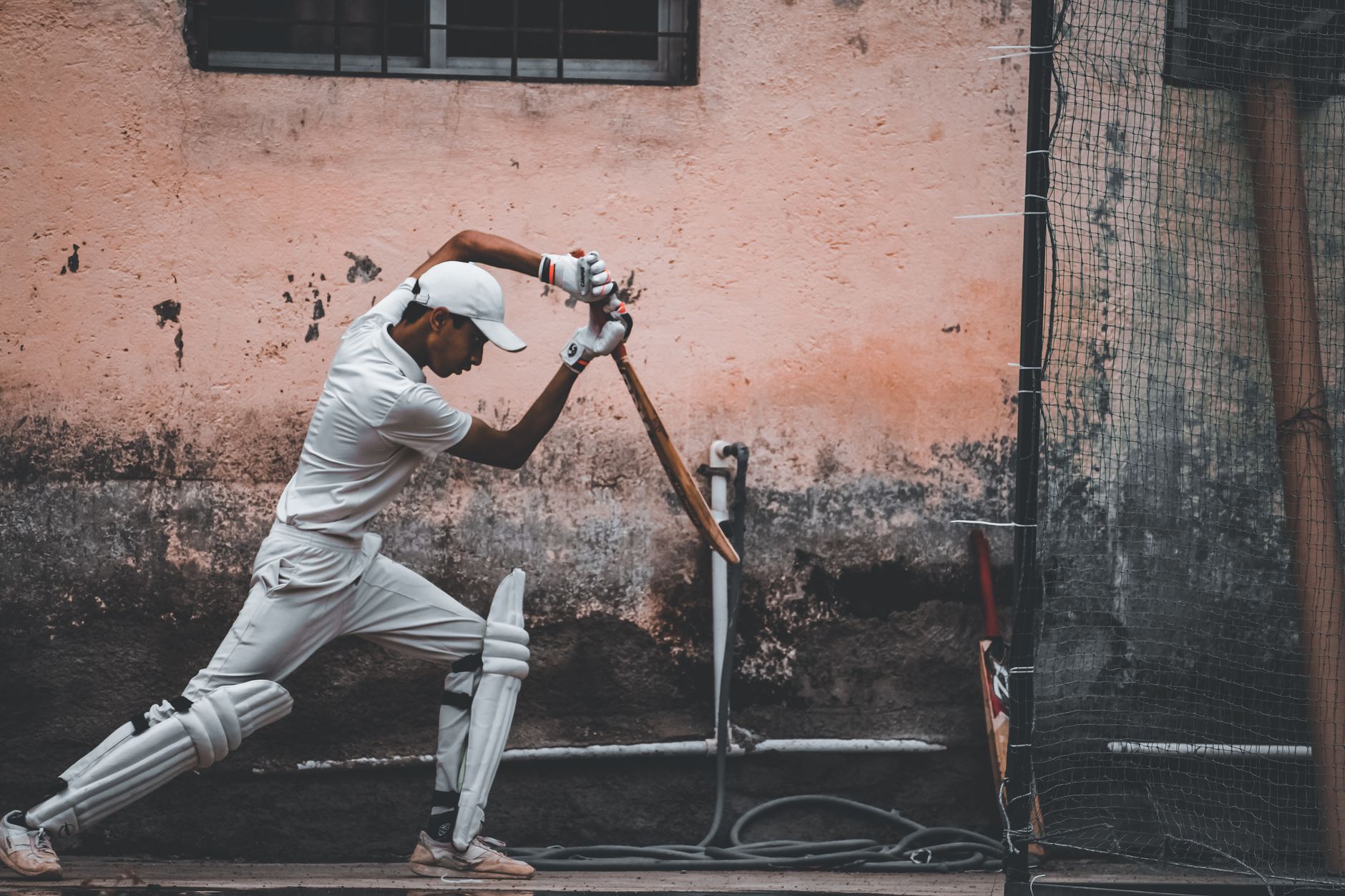
Photo by Sandeep Singh on Pexels